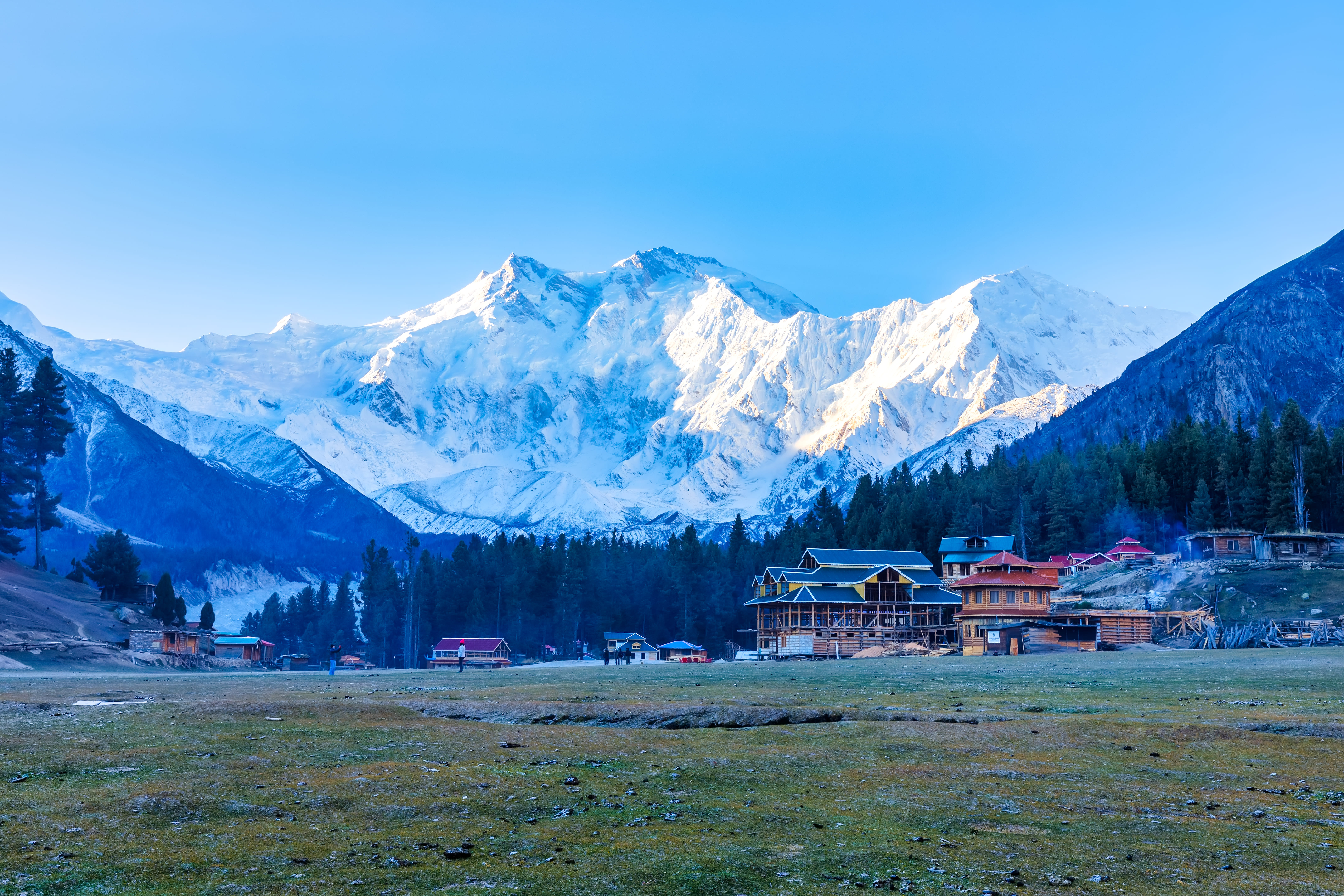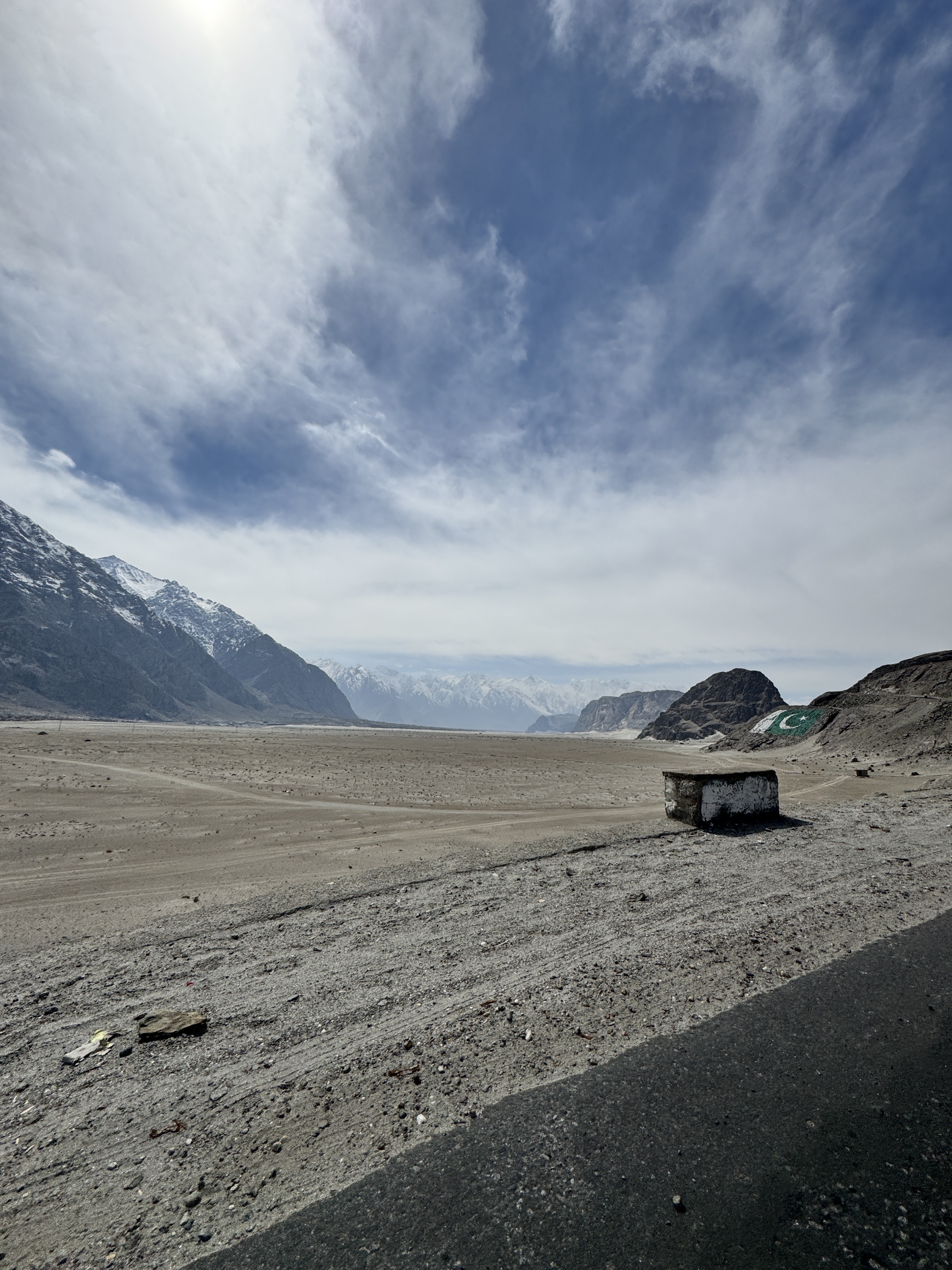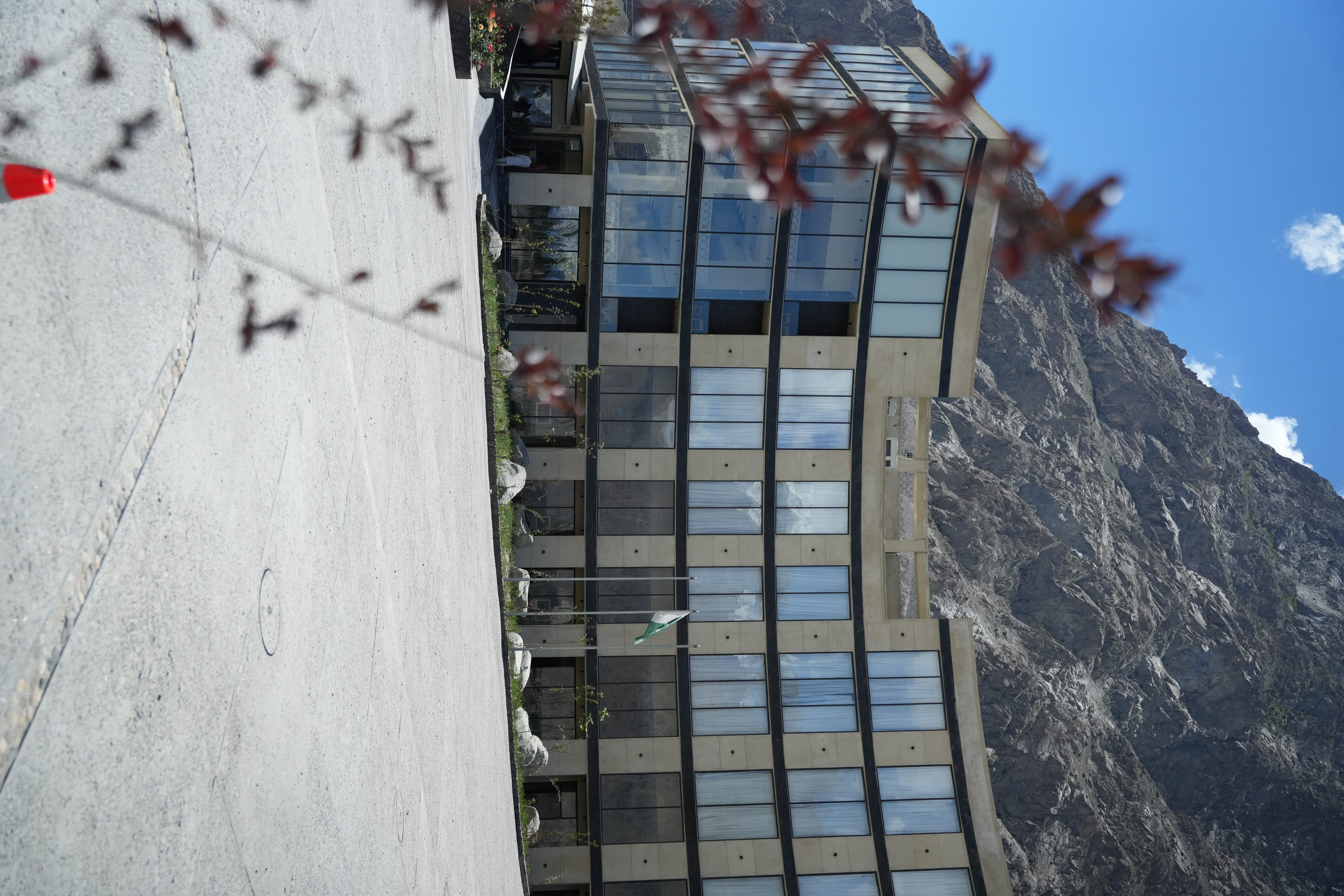
Real luxury now means something far more meaningful: a stay that leaves the valley just as breathtaking as you found it.
And for today's travellers, a beautiful view is only the beginning. They're asking more thoughtful questions than ever before: Where does my food come from? What will my stay leave behind? Across the resorts in northern areas of Pakistan, from Hunza to Skardu, those answers are changing how hotels are designed, built, and run.
In this guide, we look at what eco luxury really means, the trends fuelling its rise, the destinations where you can experience it, and how to make your own trip lighter on the land you came to see.
What Is Eco-Tourism? A Quick Introduction
Eco-tourism is a form of responsible tourism that considers environmental conservation and respect for local cultures. It invites visitors, carriers, and local residents to work toward a single goal: to leave a place as they found it, or better.
In practice, it means:
- Minimising waste and energy use
- Supporting local businesses, guides and farmers
- Respecting traditions and village life
- Protecting wildlife and fragile landscapes
Eco-tourism matters most in places like Gilgit-Baltistan, where glaciers, high-altitude lakes and mountain villages are as delicate as they are beautiful.
What Makes a Resort "Eco Luxury"?
Eco luxury is not about giving up comfort. It's about delivering comfort responsibly. A true eco-luxury resort typically combines:
- Sustainable architecture: local stone and timber, natural insulation, and designs that fit the landscape instead of fighting it.
- Clean energy and water care: solar power, water-saving fixtures, and recycling systems.
- Local sourcing: food from nearby farms and orchards and crafts from regional artisans.
- Community benefit: local hiring, fair wages, and partnerships with village-run tours.
- Guest experiences that connect you to place: guided nature walks, cultural evenings, and farm-to-table dining.
Key Drivers and Trends Shaping Resorts in Northern Areas of Pakistan
The trend has gathered real momentum in recent years, and these forces are driving it forward:
- Sustainable architecture
Developers are moving toward designs that use regional materials and traditional Balti and Hunza building styles, blending modern comfort with local craftsmanship.
- Green glamping
Low-impact luxury tents and cabins let guests sleep close to nature without heavy construction. Glamping is especially popular near lakes, valleys, and riverbanks.
- Expanding footprints
What began in a few well-known valleys is now spreading across Gilgit-Baltistan, Khyber Pakhtunkhwa, and Azad Kashmir as travellers seek less crowded, more meaningful destinations.
Pakistan's Top Eco-Friendly Destinations
1. Hunza Valley
Hunza has practised sustainable living for generations. Terraced fields, organic farming, seasonal eating, and strong community stewardship make it a top choice for eco-conscious travellers. Apricot orchards, family-run guesthouses, and clean mountain air give visitors a true look at how people and land can thrive together.
2. Skardu and Baltistan
Skardu is the gateway to some of the world's most dramatic peaks, and it is also a shining example of grassroots ecotourism. Local communities, trekking operators, and travellers increasingly work together to protect the fragile Karakoram ecosystem.
What makes Skardu stand out:
- Guilt-free adventure: carbon-conscious, eco-friendly trekking is becoming the norm
- Leave No Trace principles: guides teach and enforce wilderness rules, from carrying out waste to staying on marked trails
- Local ownership: many treks are run by village guides and porters who depend on healthy landscapes for their income
Top eco-friendly trekking routes near Skardu:
- Nangsoq Organic Village Trek
- Deosai Plains National Park hikes
- Nangma Valley
Where to Stay: Shigar Valley and Fortunorth
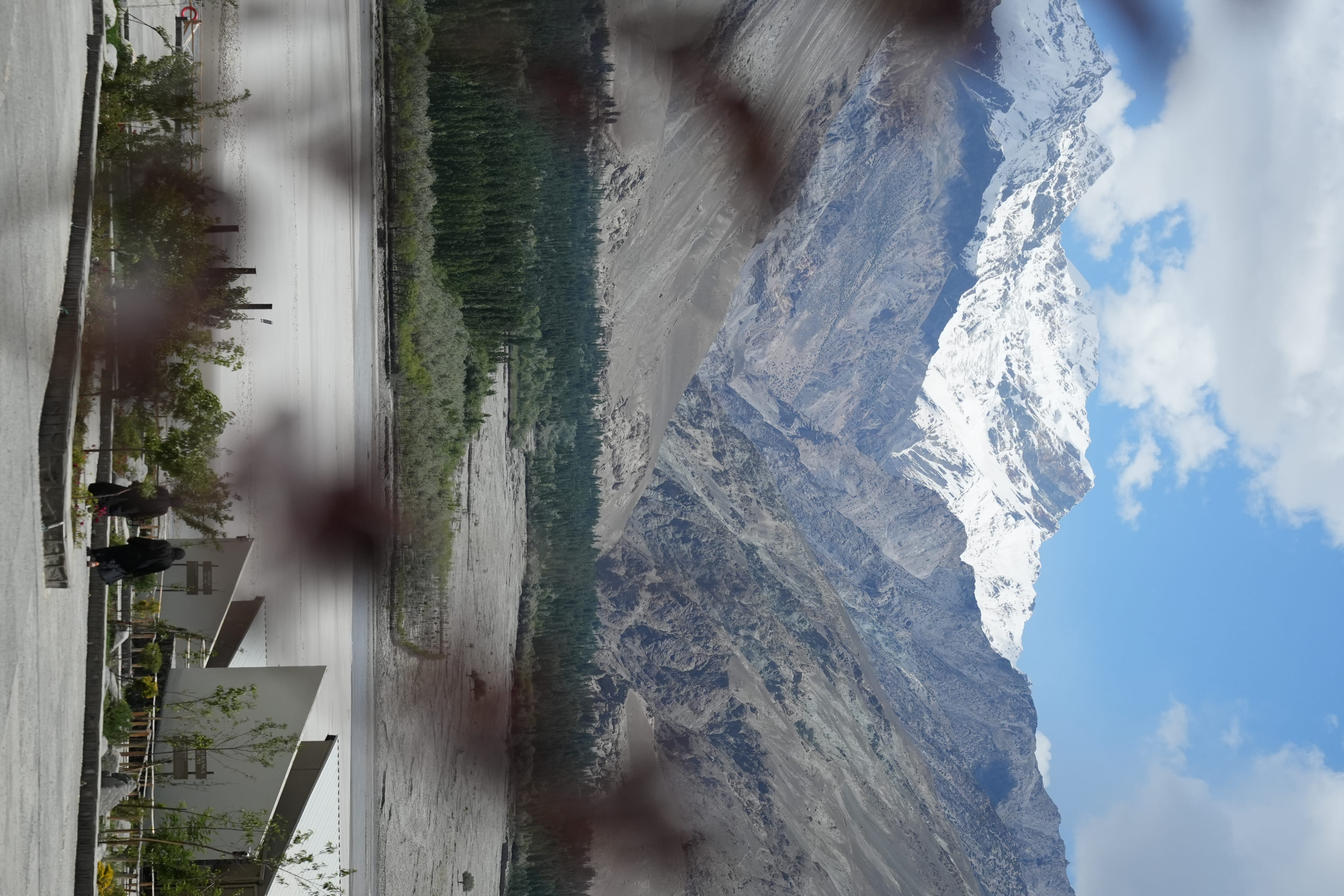
The hotels in Shigar Valley offer some of the most peaceful stays in northern Pakistan. Shigar is known for its centuries-old fort, apricot orchards, and the river that runs through the valley, and it's only a short drive from Skardu.
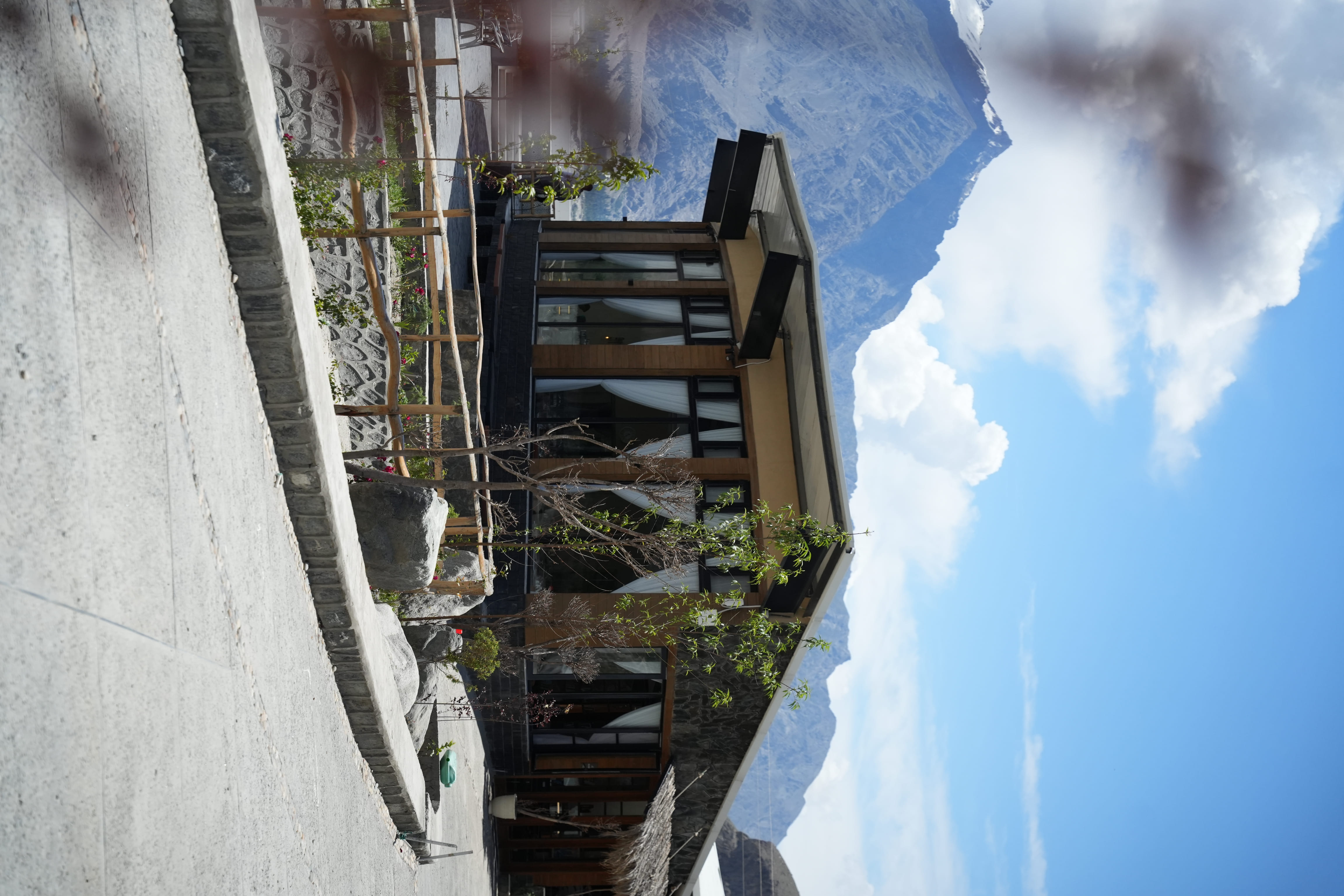
For guests looking for luxury hotels in the Skardu region that respect their surroundings, Fortunorth offers a riverside mountain-resort experience with Karakoram views, designed around comfort and connection to place.
3. Naran Kaghan Valley
Naran and Kaghan are among Pakistan's most visited valleys, and popularity brings tension. The region has been working on better waste management and trail preservation, and travellers can help by carrying out their litter and choosing operators who follow clean-up practices.
4. Neelum Valley
Neelum Valley in Azad Kashmir is admired for its rivers, forests, and alpine scenery. Its appeal is its natural beauty, which is exactly why responsible visiting matters here.
Eco-Friendly Activities in Northern Pakistan
You don't need to compromise your adventure to travel responsibly. Some of the best low-impact activities include:
- Guided treks and nature walks with local, trained guides
- Village homestay visits and organic farm tours
- Birdwatching and wildlife spotting in national parks such as Deosai
- Cultural experiences: craft workshops, local music and traditional cooking
- Stargazing in some of the darkest skies in the country
- Cycling and river-valley walks around Shigar
- Paragliding over Skardu's valleys, a low-impact way to see the landscape when done with a licensed operator
- Local food trails built around seasonal fruit and mountain grains
The Future of Eco-Friendly Hotels in Pakistan
Expect to see more:
- Renewable energy in mountain properties
- Community-partnered lodges
- Clear sustainability standards and certification
- Traveller demand for transparency
- Low-impact luxury in every region, from Gilgit-Baltistan to Azad Kashmir
If the current pace continues, eco-luxury will shift from a niche choice to the standard for the best resorts in northern Pakistan.
Tips for Making the Most of Your Eco Trip
- Travel in shoulder seasons (late spring or early autumn) to avoid crowds
- Pack light and reusable: refillable bottle, cloth bag, biodegradable toiletries
- Follow Leave No Trace: take your waste with you and stay on marked trails
- Hire local guides and buy local crafts
- Respect culture: dress modestly in villages and ask before photographing people
- Choose transport wisely: share rides where you can
- Book stays that share their practices openly
- Give yourself time: slow travel is greener and more rewarding
Ready to Experience Eco Luxury in the Karakoram?
If this guide has you dreaming of river views, quiet mornings, and mountains that make everything else fade away, Fortunorth is waiting in the heart of Shigar Valley.
Book your stay at Fortunorth today and experience one of the most inspiring resorts in northern areas of Pakistan, where comfort, culture, and care for the land come together.
Frequently Asked Questions
Are there eco-friendly hotels in Skardu?
Yes. A growing number of properties in Skardu and Shigar are adopting sustainable practices. Ask hotels for specifics about their energy, water, waste, and community practices.
What is the best time to visit Shigar Valley?
Late spring through early autumn is generally the most comfortable time for travel, with mild weather and open roads. Check current conditions before visiting.