For many visitors, Shigar is just a stop along the journey to somewhere else. They photograph the fort, buy apricots by the roadside, and continue on towards Skardu.
Many people make this mistake, which is worth correcting. Shigar Valley sits where a cold desert, a glacier-fed river, a thousand-year-old mosque, and the approach road to the world's second-highest mountain all come together within a short drive of one another. No other valley in Pakistan puts that combination in one place.
This guide covers the outdoor adventures actually worth your time here, what each one involves, when to go, and what to plan for.
Shigar Valley: Your Base for Karakoram Adventure
Shigar Valley is located in Baltistan, Gilgit-Baltistan, about 32 kilometers northeast of Skardu, which is a 45-minute to one-hour drive. The Shigar River, supplied by the Baltoro and Biafo glaciers, runs the length of the valley before joining the Indus near Skardu.
At roughly 2,300 meters, Shigar is the last properly serviced settlement before the road turns toward Askole and the Karakoram's greatest peaks. That position shapes everything about a trip here.
The K2 approach road runs straight through the valley. One of the world's highest cold deserts is a short drive away. A 14th-century mosque, a restored Raja's fort, glacier-fed white water, climbable granite, and some of Pakistan's clearest night skies all sit within a day's radius. No other valley in the country offers that range.
Base yourself here, and you wake up in the landscape instead of driving an hour to reach it. Here are the outdoor adventures near Shigar Valley worth planning your trip around.
1. Trekking to K2 Base Camp and the Baltoro Glacier
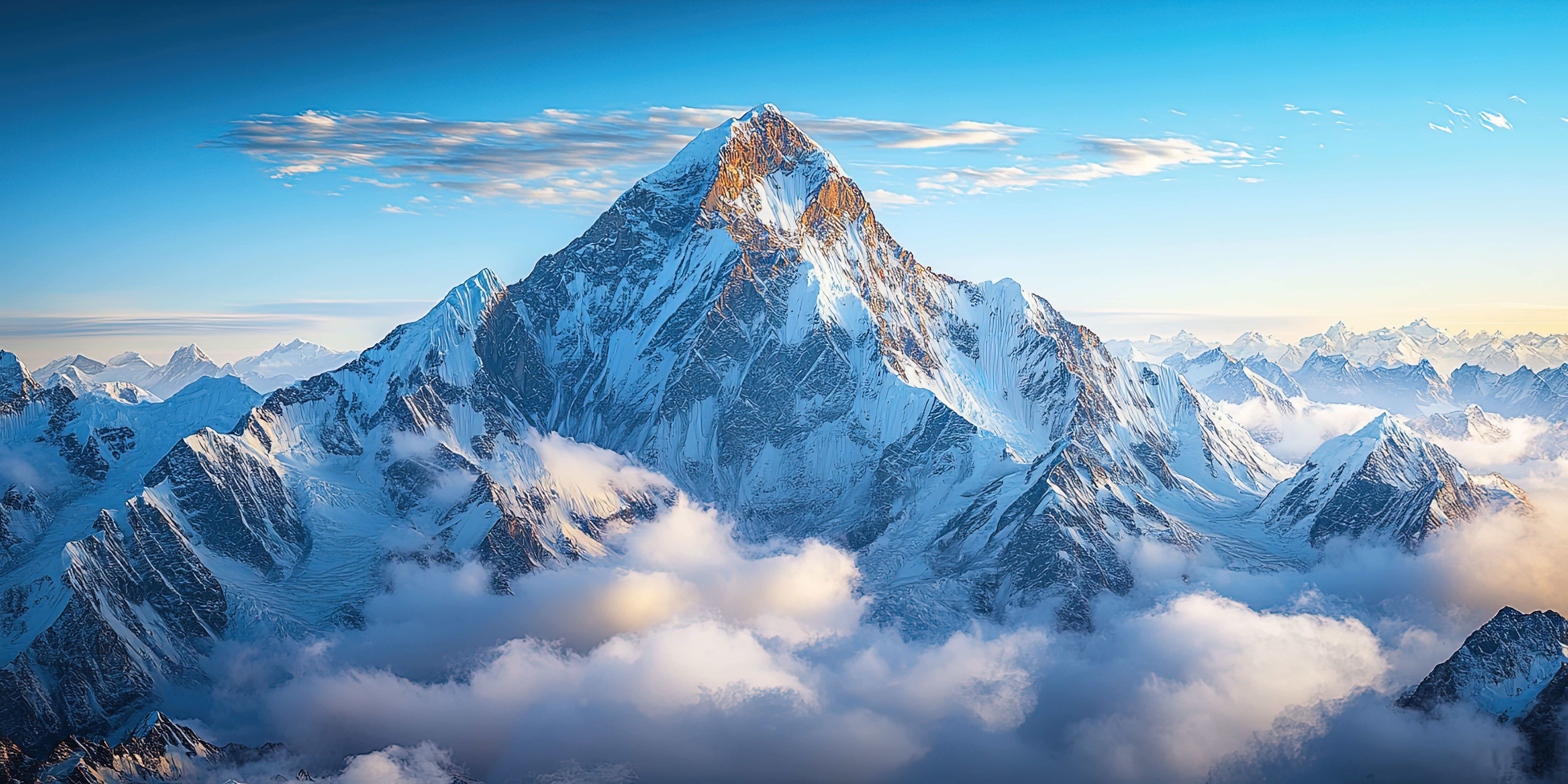
This is the reason serious trekkers visit Pakistan. The classic route goes Skardu → Shigar → Askole, then continues on foot through Jhola, Paiju, Urdukas, and Concordia, the amphitheater where the Baltoro and Godwin-Austen glaciers meet and where K2, Broad Peak, and the Gasherbrums appear in a single field of view. Most itineraries take 14 to 21 days round trip.
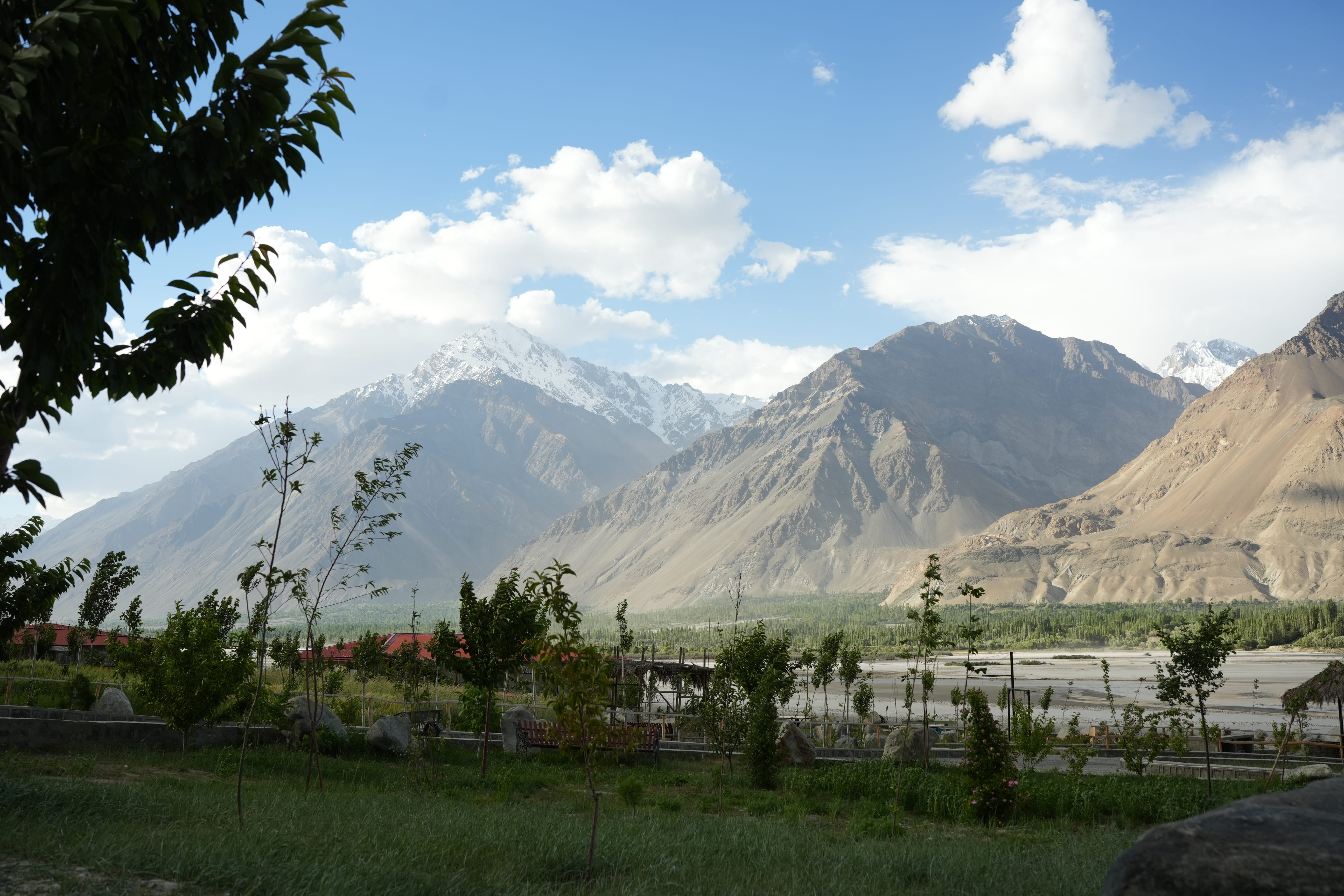
What to know before committing:
- This is a genuine high-altitude expedition, not a hike. Concordia sits above 4,600 meters.
- You will need a licensed guide, porters, a cook, and a full camping setup. Independent trekking here is not sensible.
- The season is roughly late June through early September.
- Budget realistically for porter wages, permits, and food; this is where most first-timers underestimate.
2. Sarfaranga Cold Desert Safaris
At about 2,200 meters, Sarfaranga is one of the world’s highest cold deserts, a vast stretch of fine sand beneath snow-covered peaks, a landscape found in very few other places.
What you can do here:
- 4x4 jeep safaris across the dunes
- ATV and quad biking (rentals available on-site in season)
- Dune camping under exceptionally clear skies
- The annual Sarfaranga Desert Rally, usually held in summer and worth timing a trip around
3. Alpine and Blind Lakes
Blind Lake, on the way to Shigar, is small, still, and almost entirely undeveloped, the kind of place where you can sit for an hour and see nobody. Its reflections on a windless morning are extraordinary.
Further into the region, Upper Kachura and Lower Kachura (Shangrila) lakes, Katpana Lake, and Foroq Tso are all reachable on day trips from a base in Shigar Valley. For the more ambitious, the multi-day trek to Deosai's lake systems opens up in high summer.
4. Shigar River Activities
The Shigar River is fast, cold, and glacier-fed, and it has become increasingly popular for white-water rafting in the summer months, when the flow is strong. Local operators offer guided sections suitable for beginners, with proper safety equipment.
Where the Shigar meets the Indus, the riverbanks open into some of the finest camping grounds in Baltistan: flat, sheltered, and with the water audible all night. Fishing for trout is possible in the tributaries in season.
5. Amburiq Mosque and Shigar Fort
Amburiq Mosque dates to the 14th century. Its carved wooden architecture reflects Kashmiri and Tibetan influences rather than anything you would recognize from the plains, and its restoration by the Aga Khan Trust for Culture is one of the region’s more successful heritage projects.
Shigar Fort is a 17th-century Raja's residence, also restored, and now the anchor of the valley's heritage circuit. Between the two, you can spend a very worthwhile half-day understanding what Baltistan actually is: a culture with its own language, Balti, and its own distinct history.
6. Askole Village
Askole is the last permanent settlement before the Baltoro and the final place with shops, phone reception, and a road. For trekkers, it is a staging post. For everyone else, the drive there is the main attraction: a spectacular, rough, and occasionally nerve-testing jeep track along the gorge.
Even without trekking farther, a day trip from Shigar Valley to Askole and back is one of the most memorable road journeys in Pakistan. Take a driver who knows the route.
7. Hanging Bridges
The suspension bridges spanning the Shigar and Indus are working infrastructure, not tourist attractions: thin planks, cable handrails, and a long drop to fast-moving water below. They are also among the most photographed features of the region, for good reason.
Cross carefully, one or two people at a time, and avoid them in high winds.
8. Rock Climbing and Bouldering
The granite around Shigar and across the wider Karakoram is world-class. Serious climbers head to the Trango Towers and Great Trango, some of the highest sheer cliff faces on the planet, reached via the Baltoro.
For those not planning a big-wall expedition, there is excellent bouldering on the granite outcrops closer to the valley floor. Bring your own gear; rental options are limited, so plan to be self-sufficient.
9. Stargazing
With very little light pollution, high altitude, and dry air, Shigar Valley offers night skies that most visitors from Lahore or Karachi have never seen. On clear nights from roughly May through September, the Milky Way is visible to the naked eye.
For astrophotography, the Sarfaranga dunes and the riverbanks are the best vantage points. Bring a tripod, dress much warmer than the daytime temperature suggests, and check the moon phase before you book; a new moon can make the difference between good and unforgettable.
10. Photography
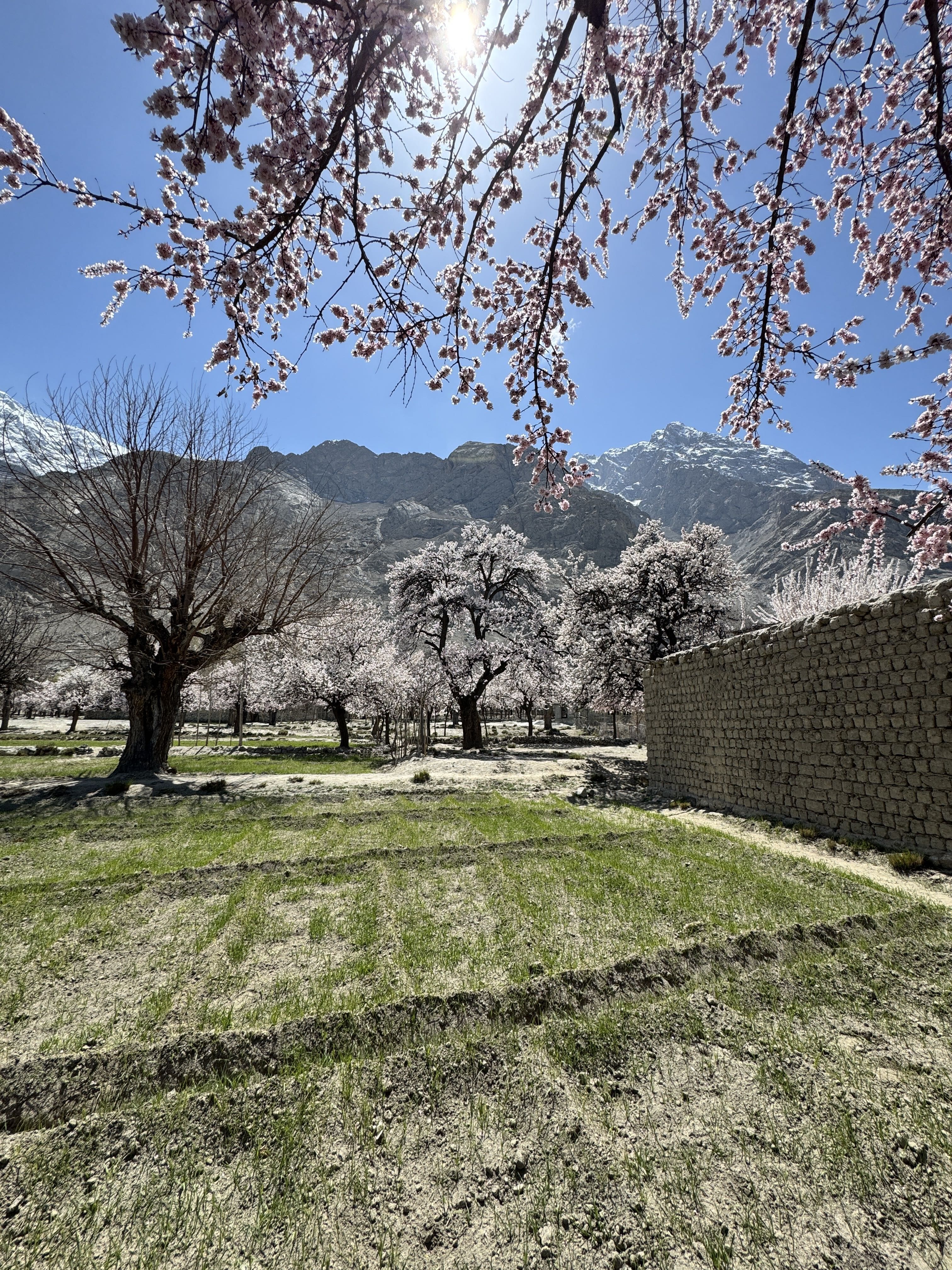
Between the cold desert, the fort, the river, the poplar avenues, and the apricot and apple orchards in bloom, Shigar Valley is undoubtedly the most rewarding valley to photograph in Baltistan.
- Late April to mid-May: apricot and cherry blossom
- September to October: autumn color in the orchards and poplars
- Any clear night: astrophotography
- Golden hour at Sarfaranga: the region's signature landscape
Remember: Always ask before photographing local people, particularly women.
Practical Planning Notes Most People Leave Out
- Getting there: Fly from Islamabad to Skardu (about an hour, but weather-dependent and subject to cancellation; always keep a buffer day). By road, the drive from Islamabad to Skardu via the Karakoram Highway and Skardu Road takes 18-20 hours. From Skardu, Shigar Valley is then a short, scenic drive.
- Mobile networks: Most networks are weak or absent in Gilgit-Baltistan. SCOM has the best coverage.
- Cash: ATMs are available in Skardu but often run empty, especially during peak season and on weekends. Bring enough cash. Card acceptance outside established hotels is limited.
- Permits: Pakistani nationals need no permit for Shigar or Skardu. Foreign nationals should confirm current NOC requirements for restricted zones and high-altitude expeditions well in advance.
- Altitude: Shigar itself is manageable for most people, but anything above 3,500 meters requires proper acclimatisation. Ascend gradually, drink far more water than feels necessary, and descend immediately if headache, nausea, or breathlessness worsens.
- Fuel: Fill up in Skardu. Do not assume availability toward Askole.
- Packing: Layers. Even in July, nights drop sharply. Sun protection is essential; UV at altitude is unforgiving. Add sturdy boots, a headtorch, a power bank, and any personal medication.
- Travelling with family: Shigar works well for multi-generational travel. Sarfaranga, Blind Lake, Shigar Fort, Amburiq Mosque, and riverside picnics are all accessible without any trekking, while the more serious adventurers in the group head further out.
Where to Base Yourself
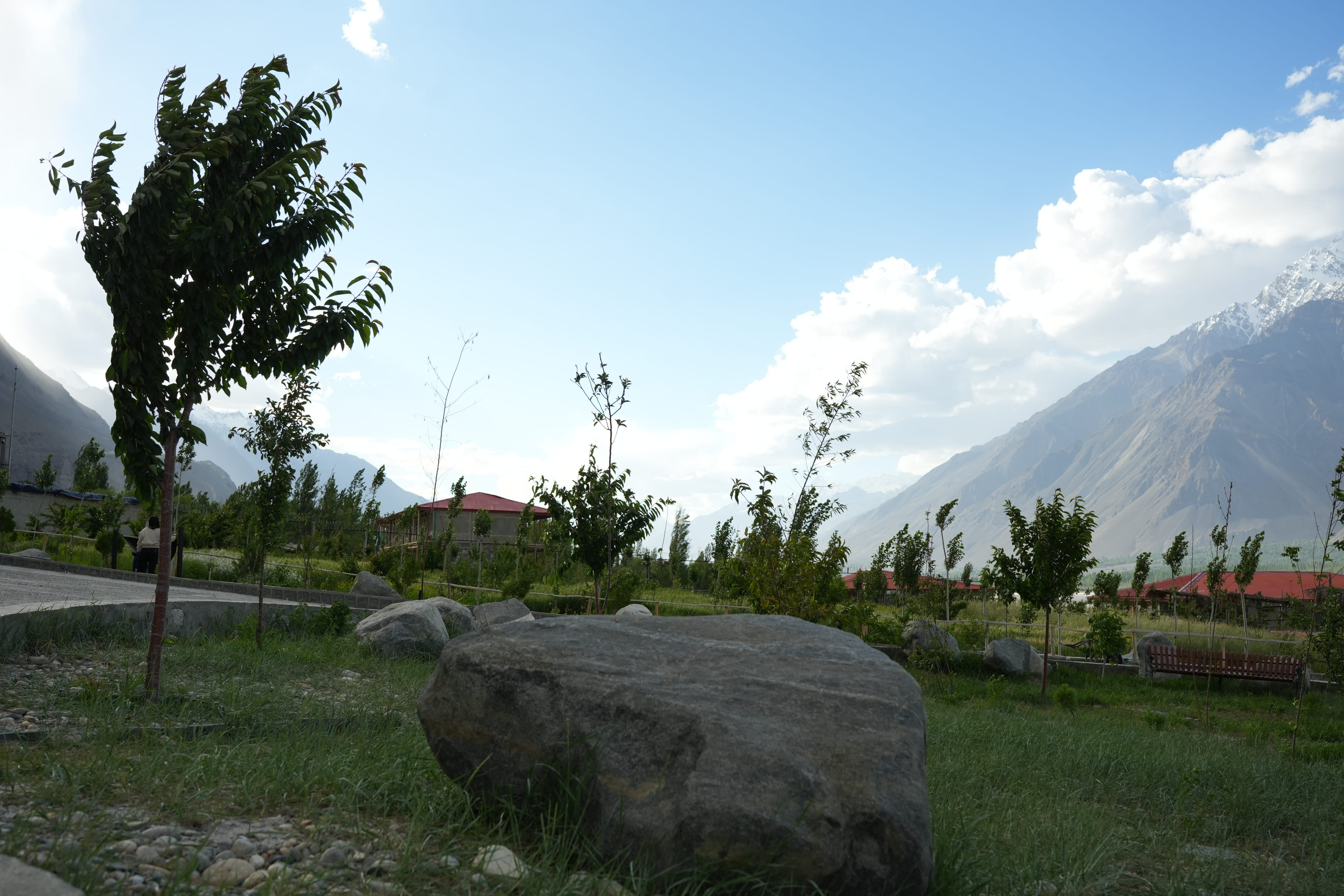
Shigar Valley is a much better base than Skardu for anyone focused on the cold desert, the river, Askole, and the Baltoro approach. You wake up in the landscape instead of driving an hour to reach it every morning.
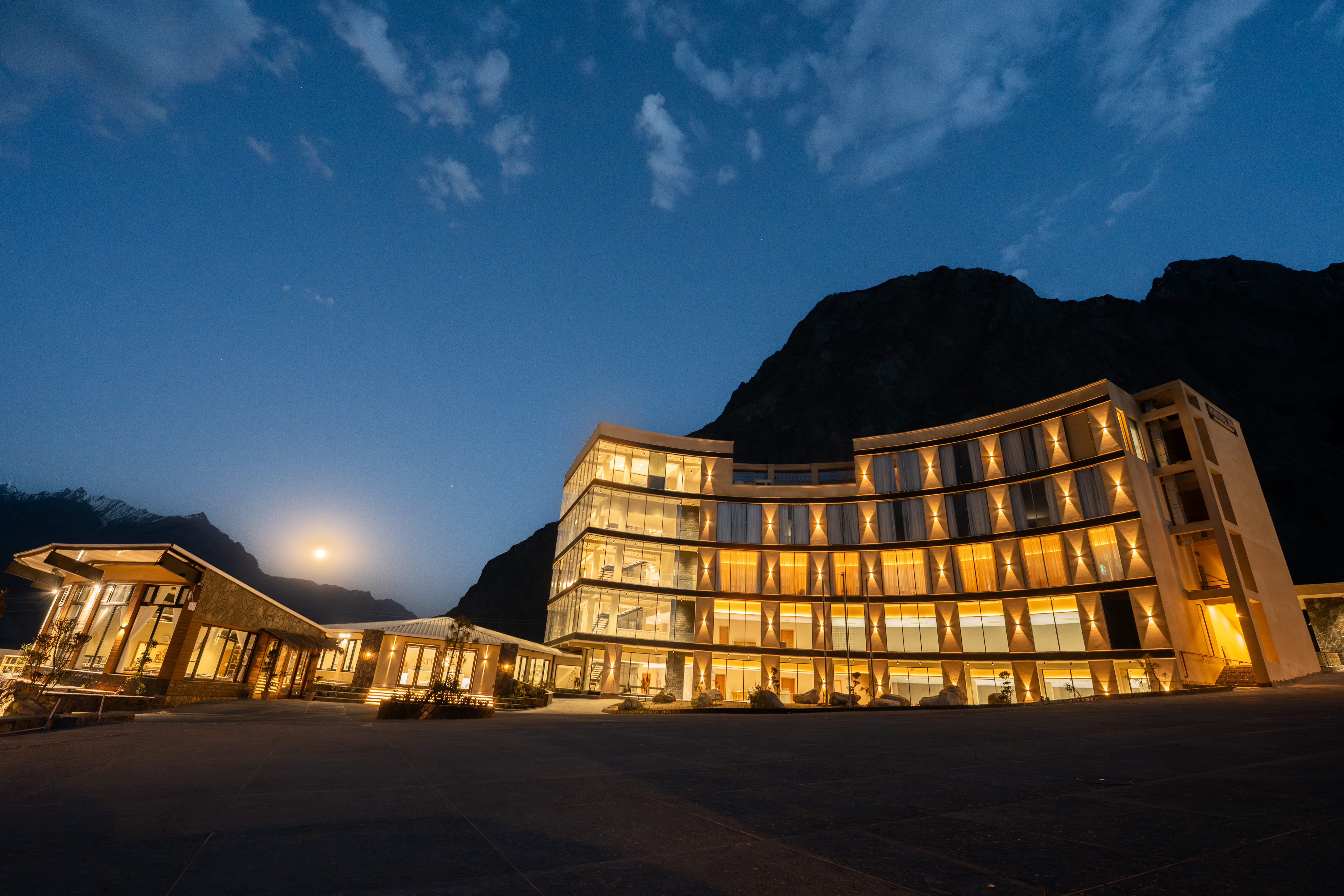
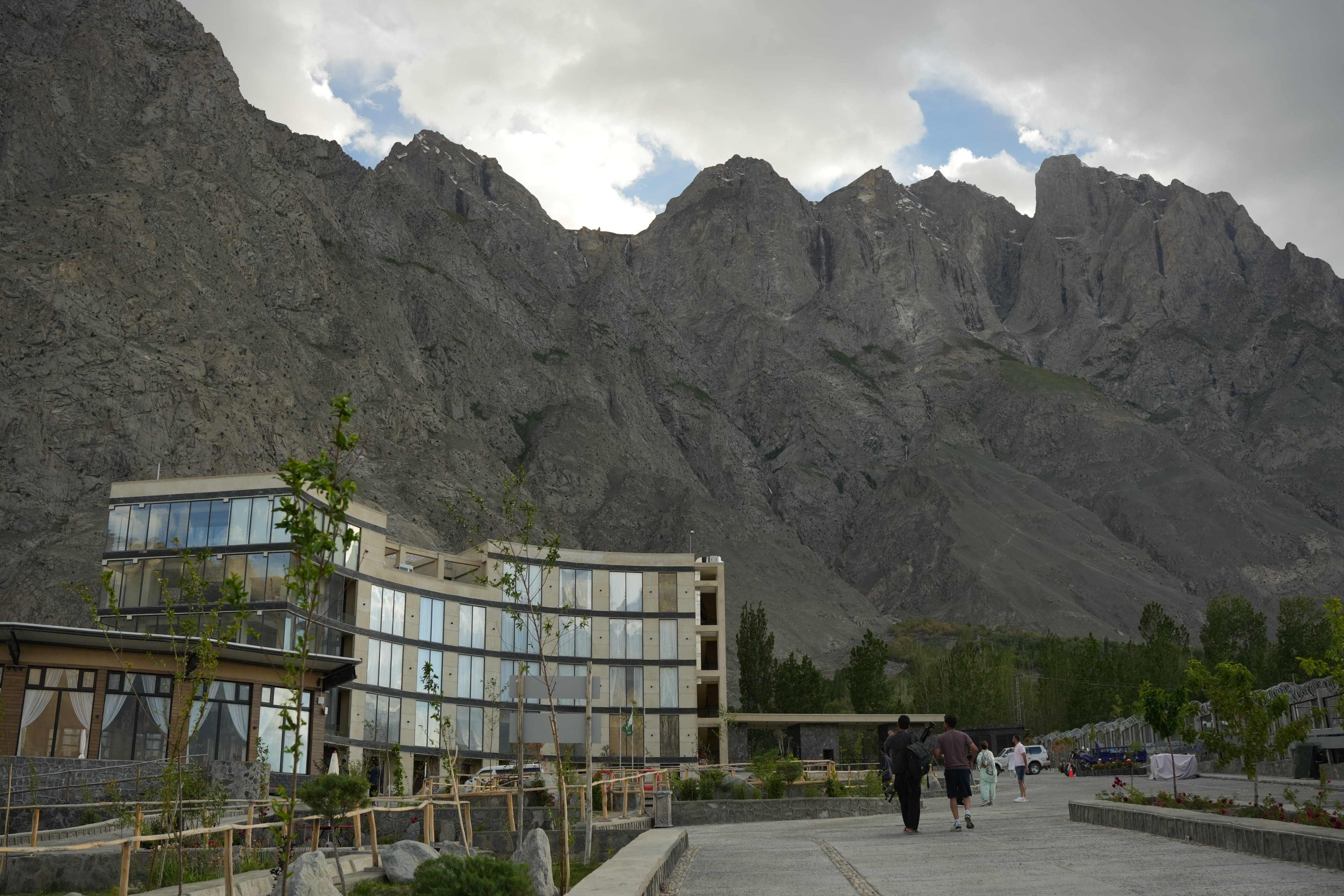
If you are looking at hotels in Shigar Valley, choose based on three things: proximity to the river and the Sarfaranga road, reliable heating and hot water (non-negotiable outside hot season), and staff who can arrange jeeps, guides, and permits instead of just giving you a phone number.
Fortunorth is in Shigar Valley with direct access to the river and the routes described in this guide, built as a base for people who came here to go outside, not to stay indoors.
Frequently Asked Questions
Can you visit Shigar Valley without trekking?
Absolutely. Sarfaranga Cold Desert, Shigar Fort, Amburiq Mosque, Blind Lake, and the riverbanks are all accessible by vehicle, which requires little to no trekking.
Is Shigar Valley safe for tourists and families?
Yes. Gilgit-Baltistan is among the safest regions in Pakistan for travelers, and Baltistan is known for its hospitality. The realistic risks here are road conditions, altitude, and weather, not security.
Is there mobile signal in Shigar Valley?
Mobile signals are limited in Shigar Valley. SCOM offers the most reliable coverage; other networks are patchy or absent.