Travelling from sea level to Shigar Skardu is an unforgettable experience filled with breathtaking mountain landscapes, peaceful valleys, and fresh alpine air. However, the sudden elevation change can affect your body more than many travellers expect.
Whether you are travelling for relaxation, luxury mountain stays, sightseeing or adventure, knowledge of high-altitude acclimatisation can help you enjoy Shigar Skardu more comfortably and safely. At FortuNorth, we encourage travellers to explore the northern mountains of Pakistan at a pace that prioritises both comfort and safety.
Why High Altitude in Shigar Skardu Affects the Body
One of the most important things that travellers must know before visiting Shigar is the impact of altitude on the human body. As you go higher up, the amount of oxygen in the air decreases. This condition, often called hypoxia, means your body has to work harder to push oxygen through your system.
When travellers arrive too quickly at high elevations in Shigar, the body may struggle to adapt immediately. This is why some visitors experience headaches, dizziness, fatigue, or shortness of breath during the first few days.
Most people can acclimatise naturally as long as they have time to rest and gradually acclimatise. Properly planned travel experiences, including balanced itineraries and rest periods, can significantly improve comfort during your stay in Shigar Skardu.
Who Is Most at Risk During Acclimatisation in Shigar Valley?
Anyone coming to Shigar is prone to altitude sickness, no matter his age or fitness level. But some types of travel may make you more likely to develop symptoms.
Common Risk Factors Include
- Flying directly from sea level to Shigar
- Ascending too quickly without rest
- Poor hydration
- Lack of sleep before travel
- Heavy physical activity immediately after arrival
- Previous history of altitude sickness
Travellers visiting Shigar through multi-day northern Pakistan journeys should pay extra attention to pacing and hydration during the first few days.
What Happens to Your Body at Higher Altitudes?
As your body adapts to the elevation in the Shigar Valley, there are several temporary physical changes that may occur.
Common Effects of Higher Altitude
- Faster breathing
- Increased heart rate
- Mild fatigue
- Lower stamina
- Difficulty sleeping
Such changes are normal in the acclimatisation process. Most travellers start to feel better once the body acclimatises to the altitude in Shigar.
How to Prepare Before Travelling to Shigar
Preparing your body before travelling to Shigar can make the transition smoother and more comfortable. Travellers planning mountain stays or adventure experiences in northern Pakistan should prepare for elevation changes before arrival.
- Prioritise Proper Sleep
Travelling while tired or sleep-deprived can make altitude symptoms feel worse. Try to get proper rest before your journey to Shigar, Skardu.
2. Increase Hydration Before Your Trip
Increase your water intake before arriving in Shigar. Mountain air is often dry, which increases the risk of dehydration.
3. Avoid Alcohol Before Early Acclimatization
Sleeping pills and alcohol can interfere with your body’s ability to acclimatise naturally to higher altitudes in Shigar.
Ascend Gradually When Travelling to Shigar, Skardu
One of the best ways to prevent altitude sickness is to climb slowly. Gradual travel pacing allows your body enough time to adjust while helping you enjoy the landscapes of Shigar more comfortably.
Spend Your First 24-48 Hours Resting in Skardu
Before exploring higher areas around Shigar, it is recommended to spend your first two days adjusting gradually.
What to Do During Your First Two Days
- Take short walks only
- Avoid intense trekking
- Stay hydrated
- Eat light meals
- Avoid carrying heavy loads
- Rest properly
Many travellers jump into activities too quickly after arriving in Shigar, Skardu, which can increase the chances of altitude sickness. At FortuNorth, carefully paced itineraries help travellers explore the region more comfortably without rushing acclimatisation.
Follow the “Climb High, Sleep Low” Rule
Trekkers and mountain travellers visiting Shigar Valley use this well-known acclimatisation technique.
What Does the Rule Mean?
The strategy involves:
- Exploring higher elevations during the day
- Returning to lower elevations for overnight rest
This gradual exposure helps the body adapt more efficiently to altitude changes in Shigar, Skardu.
Hydration and Nutrition Tips
Proper hydration and balanced meals play a major role in helping the body adjust to altitude.
- Drink More Water Than Usual
If you are travelling to Shigar, Skardu, aim for approximately 3-4 litres of water daily.
- Eat Smaller, Carbohydrate-Rich Meals
Carbs provide slow energy and are generally easier for the body to deal with at altitude.
- Limit Excessive Caffeine Intake
Too much caffeine may contribute to dehydration and interrupted sleep during your stay in Shigar Valley.
Common Symptoms Travellers May Experience
Mild altitude symptoms are relatively common during the first few days in Shigar.
Symptoms to Watch For
- Mild headache
- Fatigue
- Dizziness
- Nausea
- Shortness of breath
- Difficulty sleeping
Understanding Acute Mountain Sickness
Acute Mountain Sickness (AMS) can occur when the body struggles to adjust to higher elevations.
Mild AMS Symptoms
- Headache
- Light nausea
- Fatigue
- Reduced appetite
Severe Symptoms That Require Immediate Attention
Seek medical help immediately if symptoms include:
- Severe breathlessness
- Chest tightness
- Confusion
- Persistent vomiting
- Difficulty walking
What to Do If You Experience Altitude Problems in Shigar Valley
If you feel unwell while exploring Shigar, Pakistan, avoid pushing your body beyond its limits.
- Stop and Rest Immediately
Rest is often the first and most important step in early altitude discomfort.
- Move to a Lower Altitude
Going down to a lower altitude may make your symptoms improve more quickly.
- Seek Emergency Medical Help If Needed
Serious altitude-related symptoms may require oxygen support or immediate medical attention.
Common Acclimatization Mistakes Travellers Make in Shigar
Many altitude-related issues happen because travellers underestimate the effects of elevation.
Mistakes to Avoid
- Ascending too quickly
- Ignoring warning signs
- Drinking alcohol excessively
- Overexerting during the first few days
- Poor hydration
- Skipping rest periods
A slower travel pace allows visitors to enjoy Shigar Skardu more comfortably. Well-planned mountain travel experiences also help reduce unnecessary physical strain during acclimatisation.
How Long Does It Take to Adjust to the Altitude in Shigar?
Most travellers start to acclimatise to the altitude in Shigar Skardu in 1-3 days. Adjustment times vary, however, depending on the following:
- Elevation gain
- Physical condition
- Hydration levels
- Sleep quality
- Travel speed
Enjoy the Natural Beauty of Shigar, Safely and Comfortably
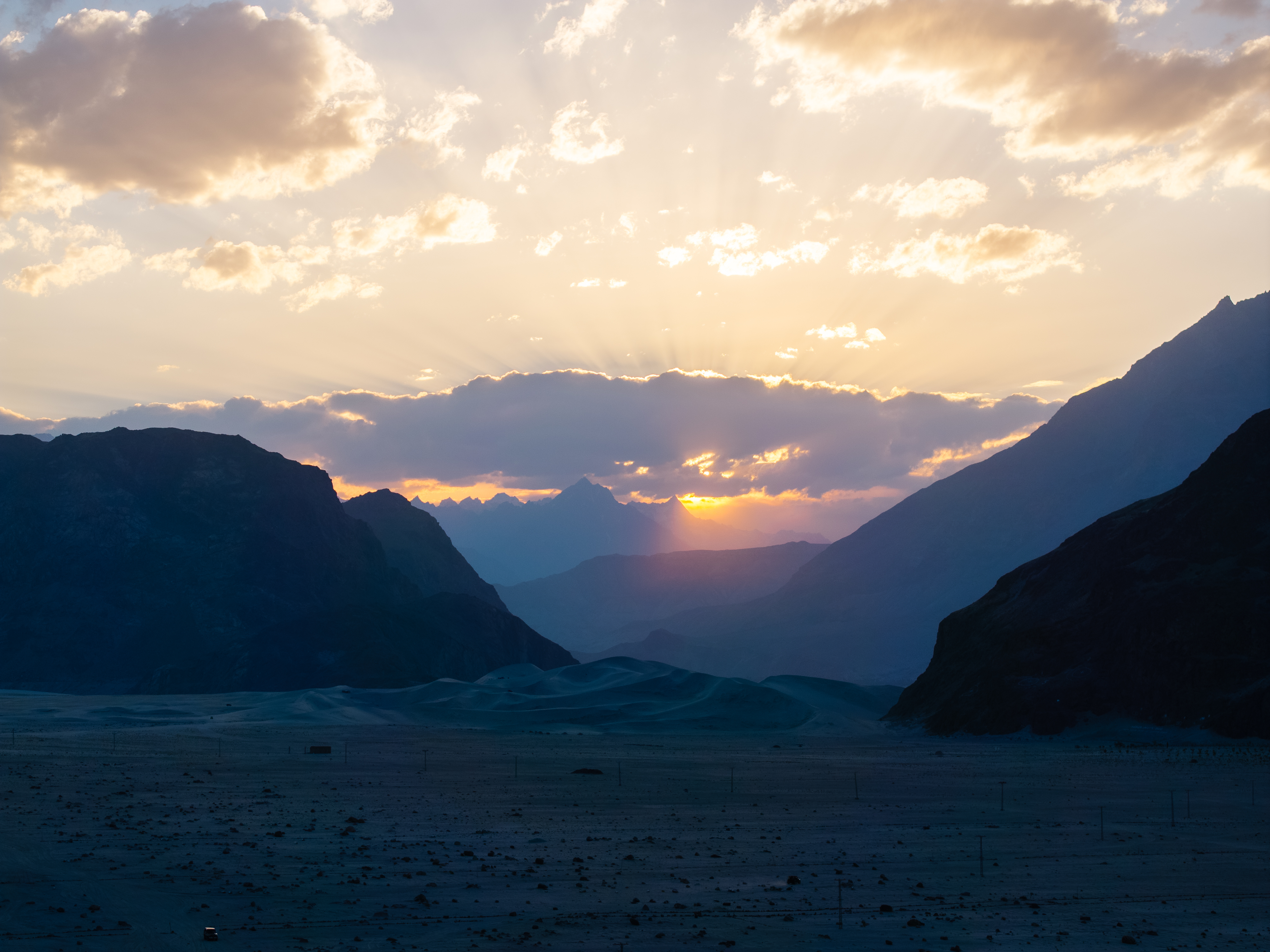
Shigar Skardu is one of the most rewarding travel experiences in northern Pakistan, from majestic mountain landscapes to serene riverside views.
Proper acclimatisation allows travellers to fully enjoy the beauty of the region without unnecessary discomfort. By staying hydrated, pacing your activities carefully, and giving your body enough time to adjust, you can experience Shigar safely and comfortably.
Whether you are visiting for adventure, luxury travel, or relaxation, a well-planned journey makes exploring Shigar even more memorable. At FortuNorth, we focus on creating comfortable and thoughtfully paced travel experiences that help visitors experience the beauty of Shigar Skardu with confidence.